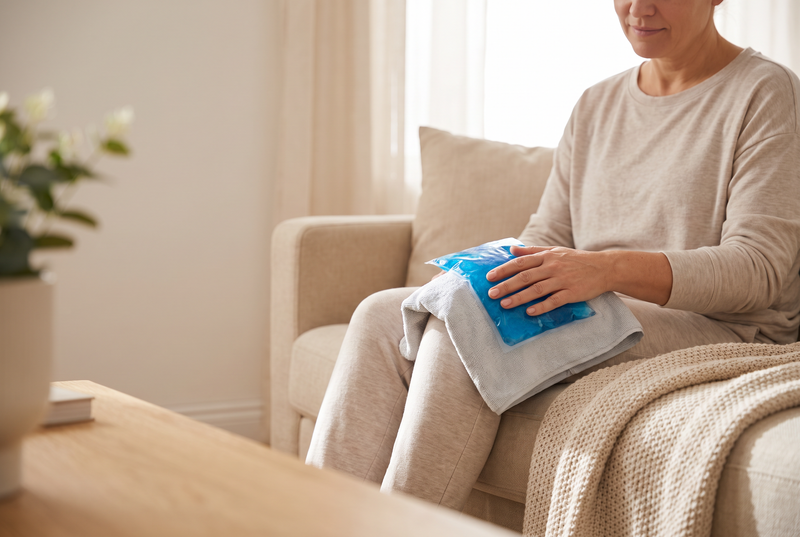
Use a reusable gel ice pack if you're cooling an injury at home over a few days. Use an instant ice pack when you need something cold and there's no freezer nearby, for example at a match, on a walk or in the car. Many people keep a gel pack in the freezer and a couple of instant packs in a first aid kit or sports bag.
How instant ice packs work
An instant ice pack is a plastic pouch with a smaller bag of water inside it. The outer pouch also contains a chemical, usually ammonium nitrate, calcium ammonium nitrate or urea. When you squeeze the pack firmly, the inner bag breaks and the water dissolves the chemical. This reaction takes in heat, so the pack goes cold within a few seconds.
They're sold under a few different names, including instant cold packs, instant cool packs, instant ice bags and first aid instant cold packs. Steroplast, a UK first aid supplier, says a typical pack reaches close to 0°C and stays cold for about 10 to 15 minutes, a bit longer in cold weather. An unopened pack lasts around 18 to 24 months if it's kept somewhere cool and dry.
An instant cold pack can only be used once. After it has been squeezed, putting it in the freezer won't make it work again.
How reusable gel ice packs work
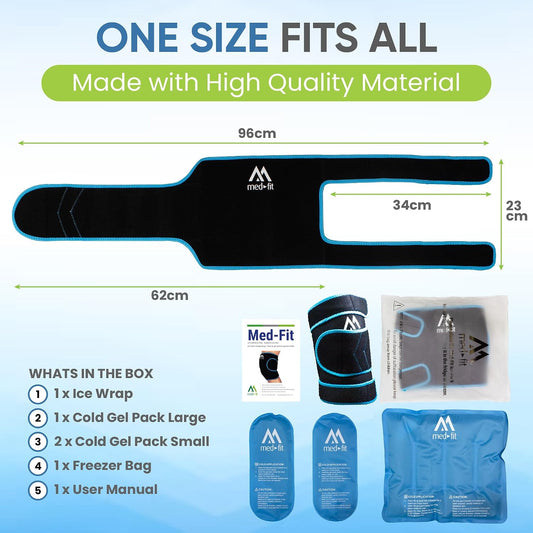
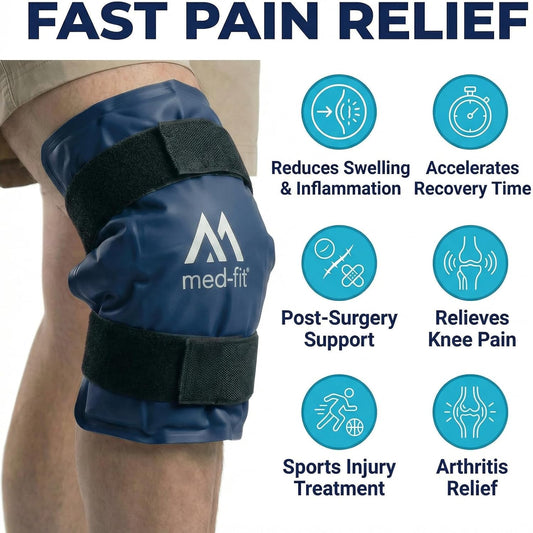
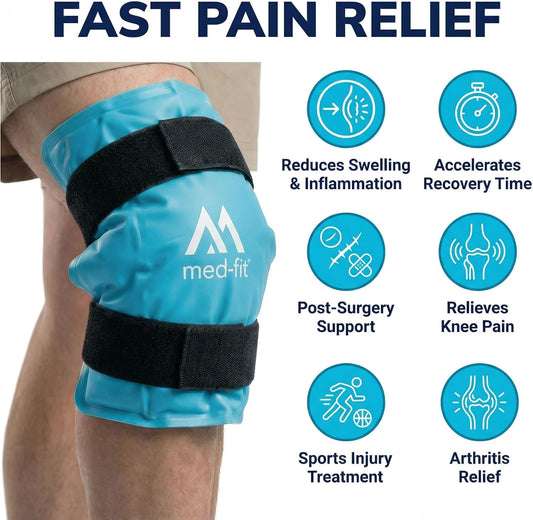
A gel ice pack doesn't rely on a chemical reaction. It's mostly water that has been thickened into a gel, with an ingredient such as propylene glycol added so it doesn't freeze solid. This keeps the pack flexible when it comes out of the freezer, so it can bend around a knee or ankle.
You freeze it before use and put it back in the freezer afterwards, as many times as you need. A home freezer runs at about minus 18°C, so a gel pack is much colder than an instant pack when you first take it out. You need to be more careful with it against the skin for that reason.
Instant and reusable ice packs compared
| Instant ice pack | Reusable gel ice pack | |
|---|---|---|
| How it gets cold | A chemical reaction when you squeeze it | Chilled in the freezer or fridge |
| How cold | Close to 0°C | Around minus 18°C straight from the freezer |
| How long it stays cold | About 10 to 15 minutes | Depends on the pack and how well it's frozen, but usually longer than an instant pack |
| Ready to use | Straight away, anywhere | Once it has been frozen |
| Number of uses | One | Many, until it splits or wears out |
| On a knee | Usually a flat pouch you have to hold in place | Can be shaped and strapped on |
| Best for | First aid kits, sports bags, the car, days out | Icing at home, several times a day |
| After use | Thrown away | Wiped clean and refrozen |
When to use an instant cold pack
Instant cold packs are useful anywhere you can't get to a freezer. If someone twists an ankle playing football or knocks a knee while out walking, you can have a cold pack on it within seconds instead of waiting until you get home.
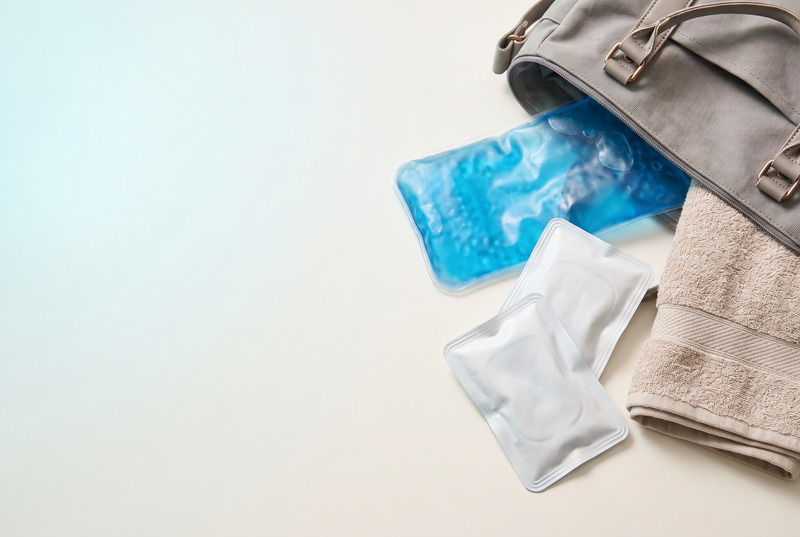
They're light, they don't leak water as they warm up, and they can be stored for a long time without any upkeep. This is why they're often included in first aid kits, sports bags and car kits. If you keep some, check the expiry date every so often, and keep a thin cloth with them so you don't have to put the pack directly on skin.
Because they only stay cold for 10 to 15 minutes, instant packs are best for the first few minutes after an injury. They aren't practical for regular icing over several days.